

For many older adults, beginning the day with a thoughtful routine can foster a stronger sense of independence and physical activity. The early hours are a chance to activate muscles, refresh the mind, and prepare the body for the day ahead. Caregivers and family members often play a vital role in supporting these moments. From getting out of bed to managing grooming tasks, each step presents an opportunity to promote autonomy and mobility. Understanding the importance of grooming in senior care is one part of a broader conversation about how routines can be both supportive and empowering.
Gentle Stretching and Breathing Exercises
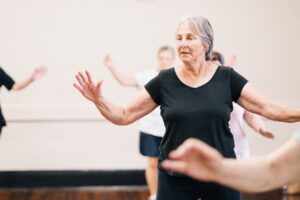 Starting the morning with a few simple stretches and deep breathing activities can help older adults wake their muscles and joints. These movements improve circulation and reduce stiffness, especially after a night of limited mobility. Light stretches such as shoulder rolls, ankle circles, or side bends can be done while seated or standing, depending on physical capacity. These brief exercises also create an important pause for mental clarity and emotional regulation.
Assisted or Independent Bed Mobility
Getting out of bed may sound basic, but for many older adults, it’s an essential movement opportunity. Instead of rushing through the process, encouraging individuals to participate actively—swinging their legs over the bed, using their arms for leverage—can improve core strength and coordination. Even if assistance is needed, breaking down the steps into manageable tasks encourages physical involvement. This not only supports mobility but also contributes to self-confidence.
Bathroom and Hygiene Preparation
Visiting the bathroom for washing, grooming, and oral care provides another key chance for physical engagement. Holding a toothbrush, combing hair, or standing briefly at the sink incorporates fine and gross motor skills into everyday life. For those who require help, offering guided hand-over-hand support or adaptive equipment like long-handled brushes can maintain dignity while stimulating movement. Hygiene routines are personal, and creating a calm environment helps encourage participation.

Dressing with Purpose
Choosing clothing and dressing independently or with guided assistance offers both mental and physical stimulation. Selecting clothing involves decision-making and memory recall, while dressing requires balance, coordination, and dexterity. Laying out clothing in a specific order or using dressing aids like reachers and sock aids can make this task more approachable while preserving a sense of control. These activities transform routine dressing into functional mobility exercises.
Hydration and Light Breakfast Preparation
Encouraging older adults to engage in their morning nourishment can turn eating into a movement-supportive activity. Pouring water, preparing tea, or selecting a piece of fruit helps improve hand strength and coordination. If safety is a concern, having everything pre-arranged on the table still allows them to initiate feeding. Even small actions like buttering toast or peeling a banana engage upper body muscles and support independence.
Mood-Boosting Reflection or Music
While not physical in the traditional sense, starting the day with a calming or joyful activity such as listening to familiar music, reciting affirmations, or briefly writing in a journal can influence posture, breathing, and emotional energy. These moments often lead to spontaneous movement—tapping feet, light swaying, or sitting upright. A positive mental state has a subtle yet powerful effect on physical activity throughout the rest of the day.
Conclusion
Morning routines are more than habits—they are stepping stones to greater movement and self-reliance for older adults. Each simple action, from stretching to brushing teeth, serves a dual function: caring for the body and reinforcing autonomy. When thoughtfully supported, these routines can increase energy, reduce falls, and uplift the overall quality of life. Caregivers, family members, and health professionals all play a part in making mornings a time of activation rather than passivity. By incorporating practical steps that promote motion and decision-making, we lay the groundwork for seniors to maintain their independence, one morning at a time.